

ข้อความปลอมเรื่องพัสดุ ค่าปรับ หรือบัญชีธนาคารอาจมาจากธุรกิจใต้ดินชุดเดียวกัน Microsoft เปิดเผยเมื่อ 14 ตุลาคม 2026 ว่าร่วมกับ Health-ISAC และพันธมิตรหลายประเทศตัดโครงสร้างของ YAM Store, CoGUI และ Iron Man ซึ่งบริษัทเชื่อมโยงกับข้อความอันตรายมากกว่า 1,000 ล้านรายการตั้งแต่ต้นปี

Microsoft ระบุว่าข้อความเหล่านี้เล็งเป้าองค์กรมากกว่า 75,000 แห่งทั่วโลก และแม่แบบแอบอ้างครอบคลุมกว่า 150 ประเทศ การสอบสวนขยายจากข้อมูลที่ตำรวจญี่ปุ่นส่งให้ โดยพบทั้งผู้ขายบัญชีคลาวด์ โฮสติ้ง และชุดเว็บไซต์ปลอมที่ทำให้ผู้ซื้อเปิดแคมเปญหลอกลวงได้รวดเร็วขึ้น
หลังได้รับคำสั่งศาลสหรัฐ Microsoft กับ Health-ISAC ยึดและเปลี่ยนทางโดเมนบางส่วน บริษัทระบุว่าปิดบัญชีที่เกี่ยวข้องกับ YAM Store แล้วกว่า 20,000 บัญชี และบล็อกโดเมนแอบอ้างมากกว่า 100,000 แห่ง ตัวเลขเป็นข้อมูลจากผู้ดำเนินปฏิบัติการ ไม่ใช่จำนวนผู้เสียหาย และไม่ได้หมายความว่าฟิชชิงทั่วโลกหมดไปแล้ว
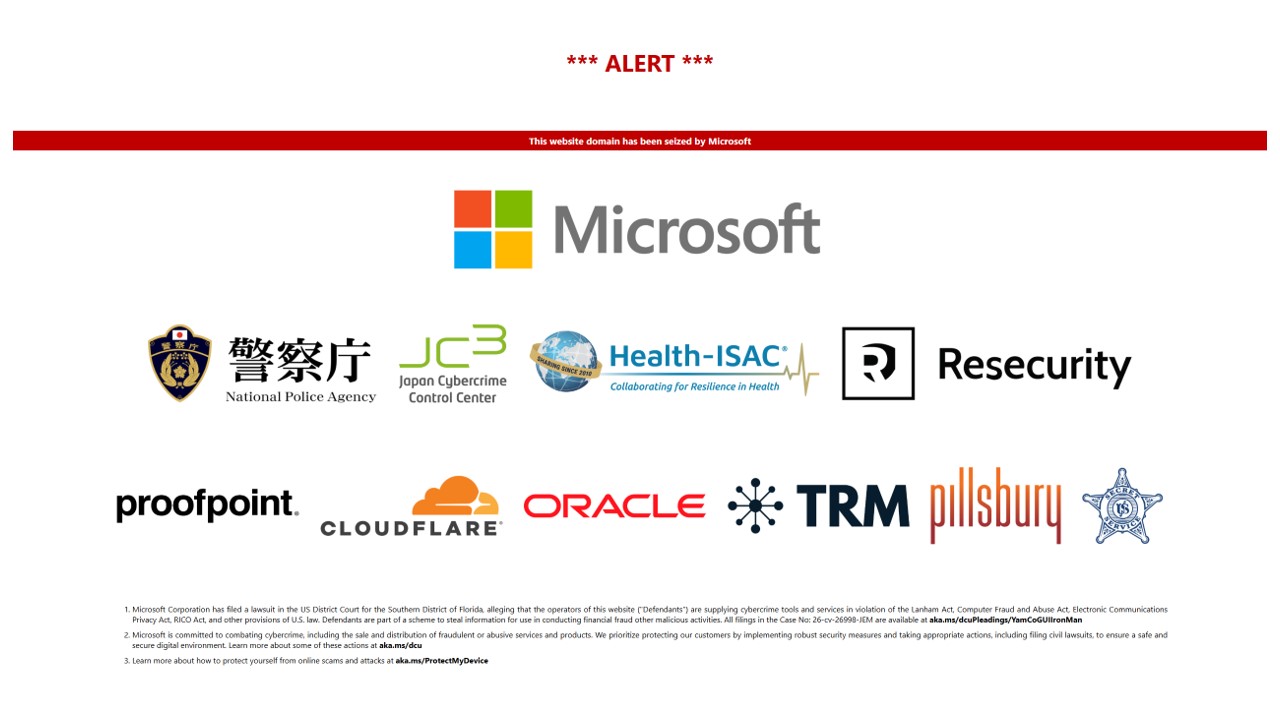
รายงานฝ่ายวิเคราะห์ของ Microsoft แนะนำการยืนยันตัวตนที่ต้านฟิชชิง การจำกัดสิทธิ์ และการประเมินความเสี่ยงการเข้าสู่ระบบ สำหรับผู้ใช้ทั่วไป ควรเปิดแอปหรือเว็บไซต์จริงเพื่อตรวจแจ้งเตือนที่เร่งให้จ่ายเงิน ไม่กรอกรหัสผ่านจากลิงก์ที่ไม่คาดคิด ทั้งนี้การมีชื่อแบรนด์ในแม่แบบปลอมไม่ได้ยืนยันว่าระบบของแบรนด์นั้นถูกเจาะ
Microsoft targets phishing suppliers linked to over one billion malicious messages
A fake parcel, fine or banking alert may originate from a larger underground supply business. Microsoft announced on 14 October 2026 that it was working with Health-ISAC and international partners to disrupt YAM Store, CoGUI and Iron Man, linked by the company to over one billion malicious messages since January.
Microsoft says the activity targeted more than 75,000 organizations worldwide, while impersonation templates covered over 150 countries. An investigation supported by Japan’s police uncovered suppliers of cloud accounts, hosting and ready-made phishing websites that let customers launch scams quickly.
Following a US court order, Microsoft and Health-ISAC seized and redirected parts of the domain infrastructure. Microsoft reports disabling over 20,000 YAM Store-related accounts and blocking more than 100,000 fraudulent domains. These are operator-reported figures, not victim totals, and do not mean phishing has been eliminated.
Microsoft’s technical guidance recommends phishing-resistant authentication, least privilege and risk-based sign-in controls. Consumers can check unexpected payment demands through the genuine app or website instead of entering passwords through unsolicited links. A brand appearing in a fake template does not establish that its own systems were breached.
แหล่งข้อมูล / Sources
Microsoft DCU: ผลปฏิบัติการวันที่ 14 ต.ค.
Microsoft Threat Intelligence: วิเคราะห์เครือข่ายและการป้องกัน
เครดิตภาพและต้นทาง / Image credits
ภาพ 1 / Image 1: Microsoft — หน้าต้นทาง / Source page · ไฟล์ต้นฉบับ / Original image
ภาพ 2 / Image 2: Microsoft และหน่วยงานพันธมิตร — หน้าต้นทาง / Source page · ไฟล์ต้นฉบับ / Original image
ตรวจสอบข้อมูล / Checked: 19 ตุลาคม 2569 (19 October 2026)
#Microsoft #Cybersecurity #Phishing #ภัยออนไลน์ #MiKoThai




 ✓