

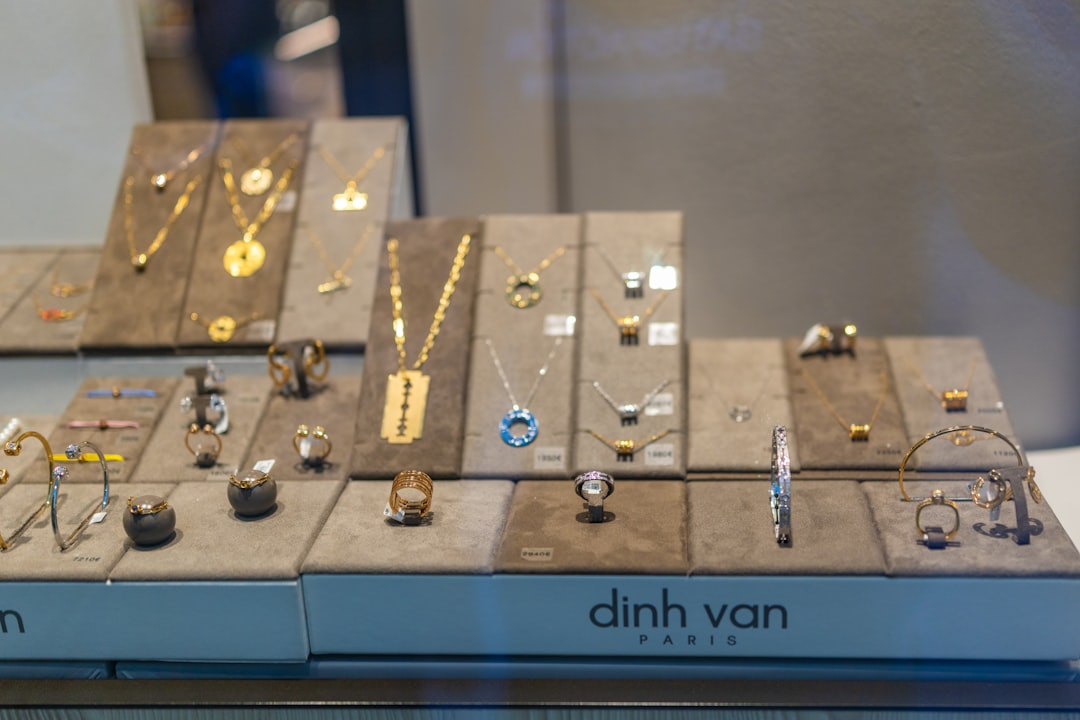
Malaysia’s jewellery market is being shaped by a mix of long-established gold craftsmanship, contemporary design, international trade and increasingly digital retail. Gold remains important for personal purchases, gifting, weddings and investment-linked buying, while silver, gemstones, diamonds and lighter fashion-led pieces broaden the market.
Industry research cited in the original article estimated Malaysia’s jewellery market at about USD 2.31 billion in 2025, with growth projected toward roughly USD 3.28 billion by 2032.
Gold remains central to Malaysian jewellery buying
High-purity gold has a strong place in Malaysian consumer culture. Government investment information notes a large local manufacturing base and a strong preference for 22-karat, or 916-purity, gold. Buyers may choose gold for ceremonies, family occasions, personal collections or as a store of value.
Penang’s manufacturing heritage supports the sector
Penang has a long history in gold and jewellery manufacturing. That heritage supports specialist craftsmanship, supplier networks and production knowledge that continue to matter as designs and buying habits modernize.
Exports add another growth channel
Malaysia is not only a domestic jewellery market. Trade data cited in the original article showed strong jewellery exports to destinations including Singapore, the United Arab Emirates, Thailand, Australia and Japan, highlighting the role of Malaysian manufacturers in regional and international supply chains.
Traditional craft is meeting contemporary design
Consumers increasingly move between elaborate ceremonial pieces and lighter jewellery for everyday use. This creates room for established jewellers and independent designers to serve different budgets, occasions and styles without abandoning traditional craftsmanship.
Gold prices influence purchasing behaviour
Because material costs track international gold prices, changes in gold can affect retail pricing and buyer decisions. Customers may respond by choosing lighter pieces, adjusting purity levels, delaying large purchases or treating jewellery more explicitly as an investment-linked purchase.
Trust, purity and transparent pricing matter
Clear information about metal purity, weight, workmanship and price is essential for buyer confidence. Malaysian trade-description and retail-pricing rules make accurate product representation particularly important for precious-metal sellers.
Digital discovery is changing the customer journey
Social media, online stores and digital catalogues now help customers compare designs and shortlist products before visiting a physical retailer. For higher-value purchases, many buyers still want to inspect weight, fit, finishing and colour in person, making omnichannel retail especially relevant.
Personalization creates new opportunities
Names, initials, dates, birthstones and bespoke motifs allow jewellers to add emotional value beyond the underlying metal. Personalized pieces can be especially attractive for weddings, anniversaries, birthdays and family gifts.
Malaysia’s jewellery market balances heritage with modern consumption
The sector’s future is likely to depend on a combination of dependable craftsmanship, accurate precious-metal information, transparent pricing, distinctive design and convenient online-to-offline buying experiences.
Recovered source attribution: the original public page identified the author as adamwilliamson. The author account record is not present in the restored WordPress database, so the recovered post preserves that attribution internally while the account itself is not recreated.



 ✓