

องค์การอนามัยโลก (WHO) ประกาศยกย่อง 8 เมืองและเครือข่ายระดับชาติอีก 1 แห่งในภูมิภาคแปซิฟิกตะวันตก จากผลงานด้านสุขภาพเมืองที่วัดผลได้ ในงานประชุม Alliance for Healthy Cities ครั้งที่ 11 ที่ซิดนีย์ เมื่อ 28 กันยายน 2569
เมืองใกล้ไทยใช้ข้อมูลและชุมชนแก้โจทย์สุขภาพ
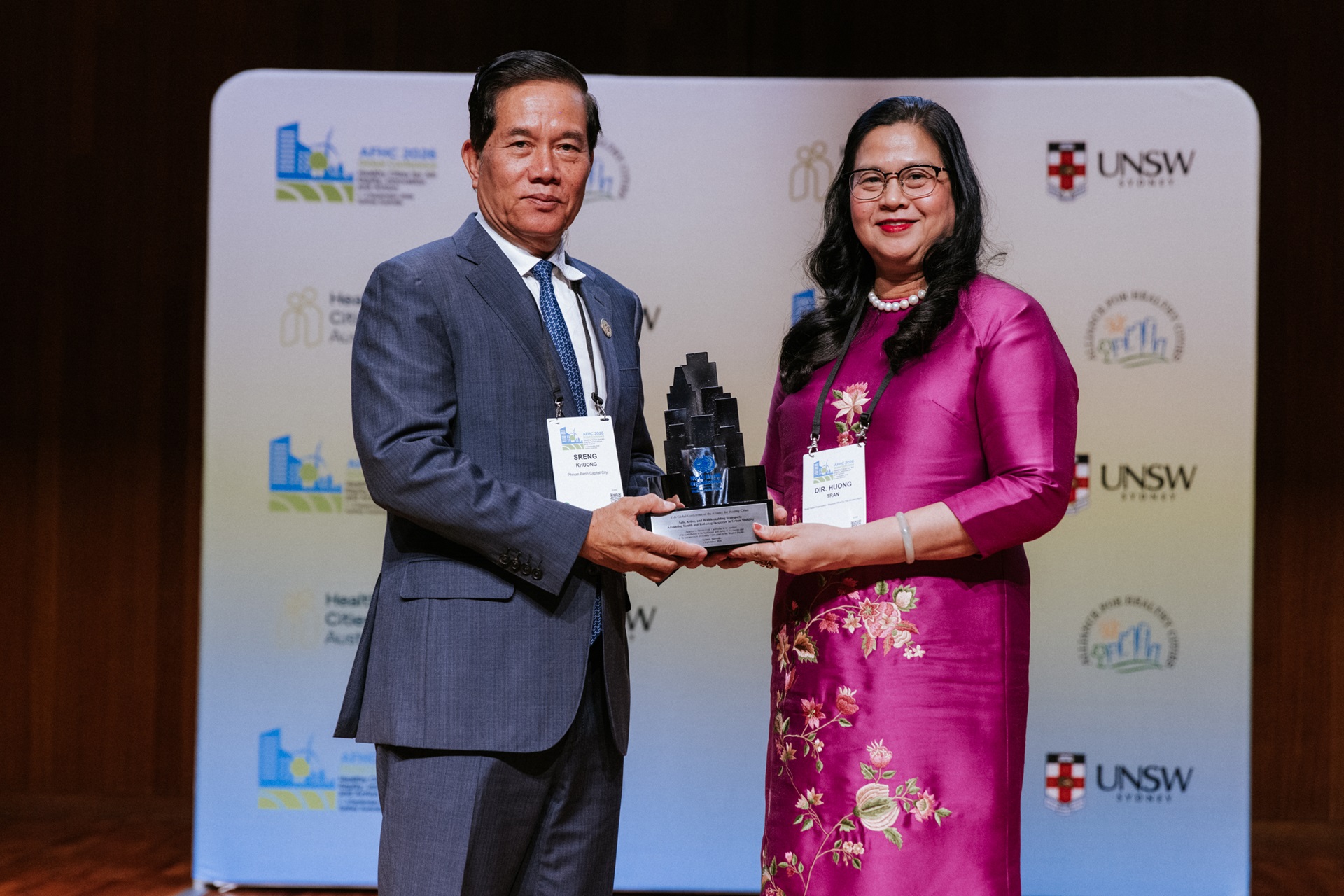
เมืองมาดีอุนของอินโดนีเซียได้รับการยอมรับด้านการรับมือความร้อนและความเสี่ยงสุขภาพจากน้ำท่วม ผ่านโครงการจัดการสิ่งแวดล้อมโดยชุมชน WHO ระบุว่าแนวทางนี้ถูกนำไปใช้ต่อใน 15 เมืองและเขต ขณะที่พนมเปญได้รับการยกย่องโครงการเขตปลอดภัยรอบโรงเรียน ซึ่งผสานการปรับถนน การควบคุมความเร็ว การบังคับใช้กฎหมาย และการให้ความรู้
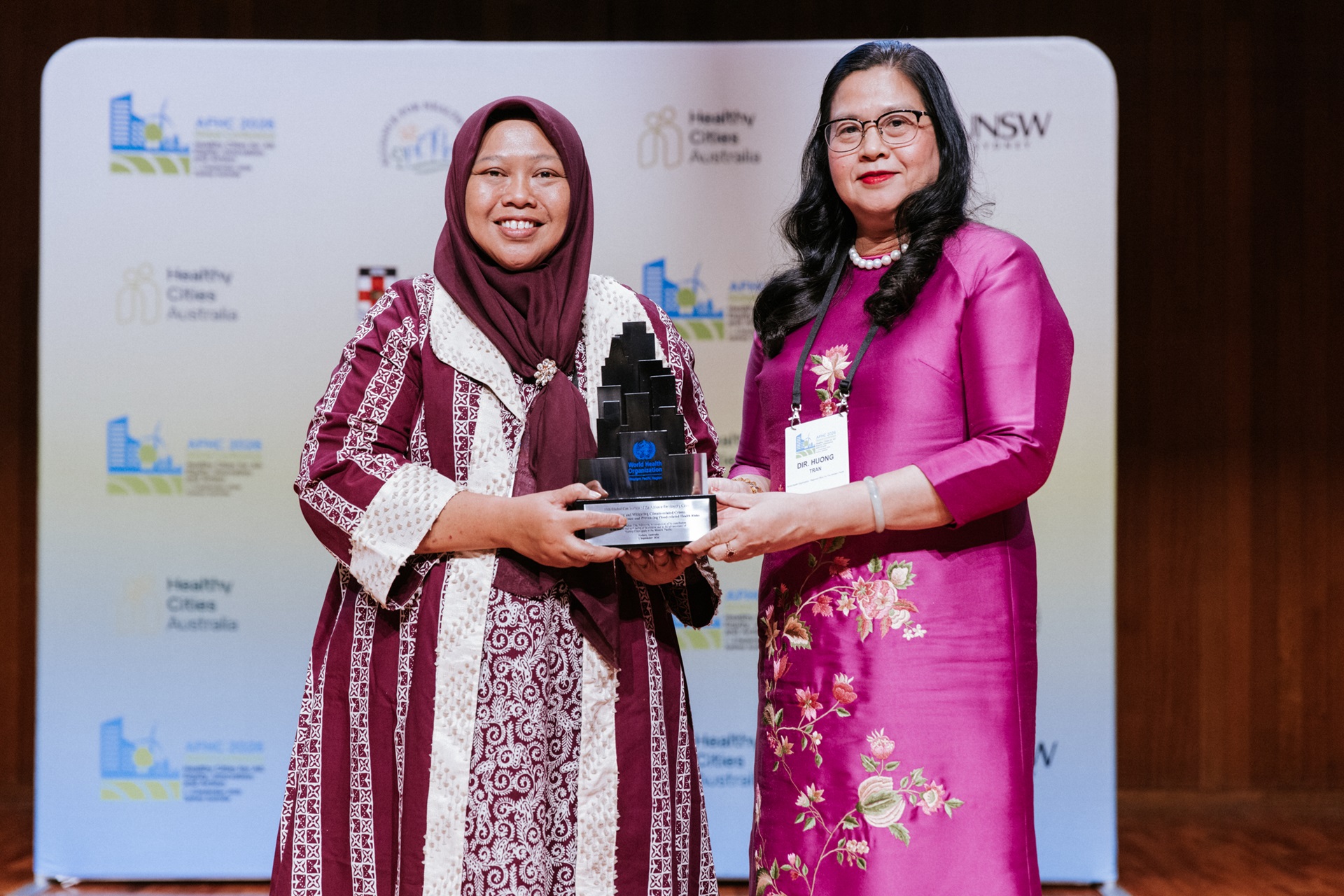
ในฟิลิปปินส์ บากิโอใช้ดัชนีคุณภาพชีวิตระดับ 128 หมู่บ้านเพื่อวางแผนบริการอย่างเท่าเทียม ส่วนเกซอนซิตีใช้การจัดซื้ออาหารของภาครัฐเพื่อเพิ่มการเข้าถึงอาหารที่ดีต่อสุขภาพ นี่เป็นตัวอย่างว่า “สุขภาพเมือง” ครอบคลุมทั้งถนน อาหาร ข้อมูล และความเสี่ยงสภาพอากาศ ไม่ได้จำกัดอยู่ที่โรงพยาบาล
English Version
WHO honours Asian cities for flood resilience, safer school streets and healthier food
On September 28, 2026, the World Health Organization recognized eight cities and one national network in its Western Pacific region at the 11th Alliance for Healthy Cities conference in Sydney. The awards highlight measurable approaches to urban health.
Indonesia’s Madiun was recognized for community-led environmental management addressing heat and flood-related health risks. WHO says the model has been replicated in 15 cities and regencies. Phnom Penh was honoured for a safer school zone programme combining road design, speed management, enforcement and education.
Baguio in the Philippines uses a livability index covering 128 villages to guide more equitable planning. Quezon City was recognized for public food procurement that supports healthier diets. Together the examples show how municipal health policy reaches beyond clinics into transport, climate resilience, nutrition and local data.
Source: WHO, 28 September 2026
#WHO #HealthyCities #UrbanHealth #ClimateResilience




 ✓
✓