
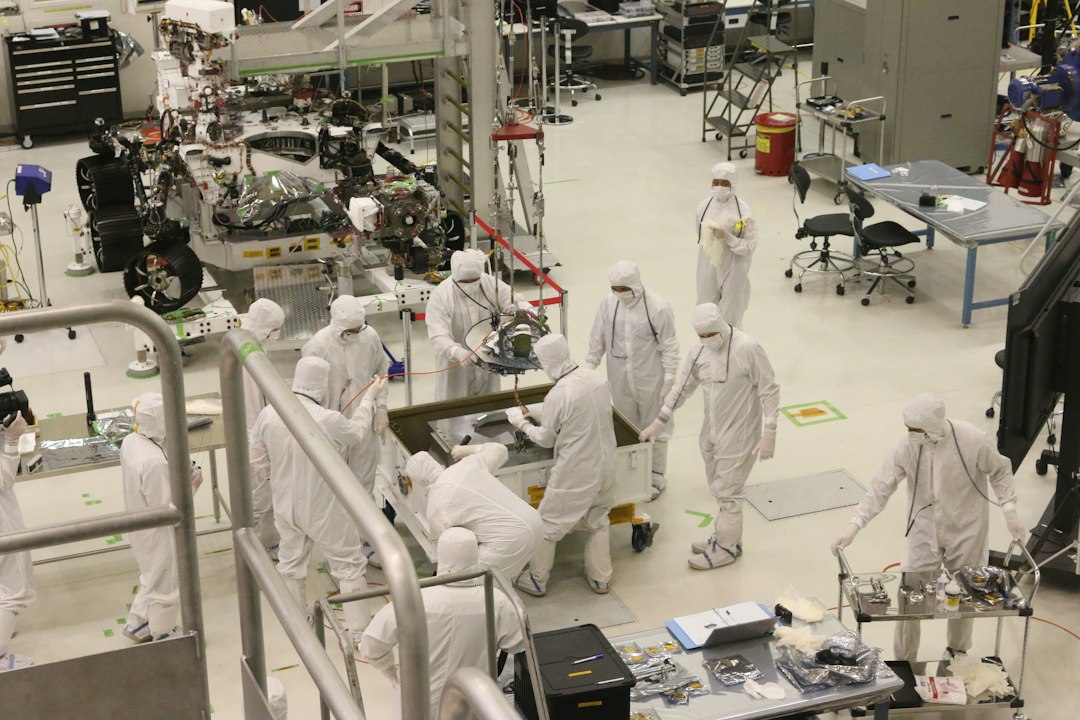
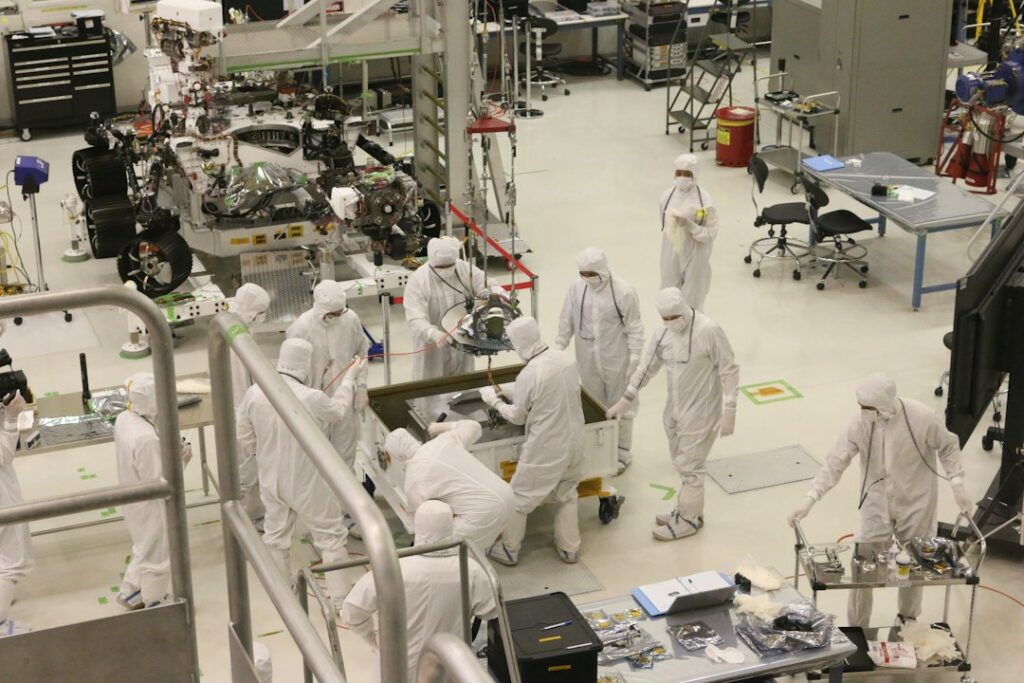
ภาพประจำเรื่อง: ภาพการประกอบยานสำรวจดาวอังคาร ใช้เป็นภาพประกอบกระบวนการสร้างยานอวกาศ ไม่ใช่ภาพยาน Dragonfly — ภาพโดย Laurel and Michael Evans / Unsplash
NASA เปิดเผยเมื่อ 24 พฤศจิกายน 2026 ว่ากล้องวิทยาศาสตร์ DragonCam ทั้ง 7 ตัวได้รับการติดตั้งและทดสอบบนยานบินสำรวจ Dragonfly ซึ่งกำลังประกอบที่ห้องปฏิบัติการฟิสิกส์ประยุกต์มหาวิทยาลัยจอห์นส์ฮอปกินส์ (APL) ในรัฐแมริแลนด์ นี่เป็นความคืบหน้าด้านอุปกรณ์ ไม่ใช่การปล่อยยานหรือภาพจากดวงจันทร์ไททัน
กล้องเจ็ดตัวจะมองอะไรบนไททัน
NASA ระบุว่ากล้องที่พัฒนาโดย Malin Space Science Systems ถูกติดตั้งในตัวเรือนฉนวนครบภายในกลางเดือนพฤศจิกายน เพื่อลดผลกระทบจากความเย็นจัดของไททัน ดวงจันทร์ใหญ่ที่สุดของดาวเสาร์ ชุดกล้องประกอบด้วยกล้องมองด้านหน้าและด้านข้างสำหรับภาพภูมิประเทศกับภาพพาโนรามา กล้องมองลงสำหรับประเมินจุดลงจอด และกล้องจุลทรรศน์ความละเอียดสูงสำหรับดูเม็ดทรายบริเวณที่จะเก็บตัวอย่าง
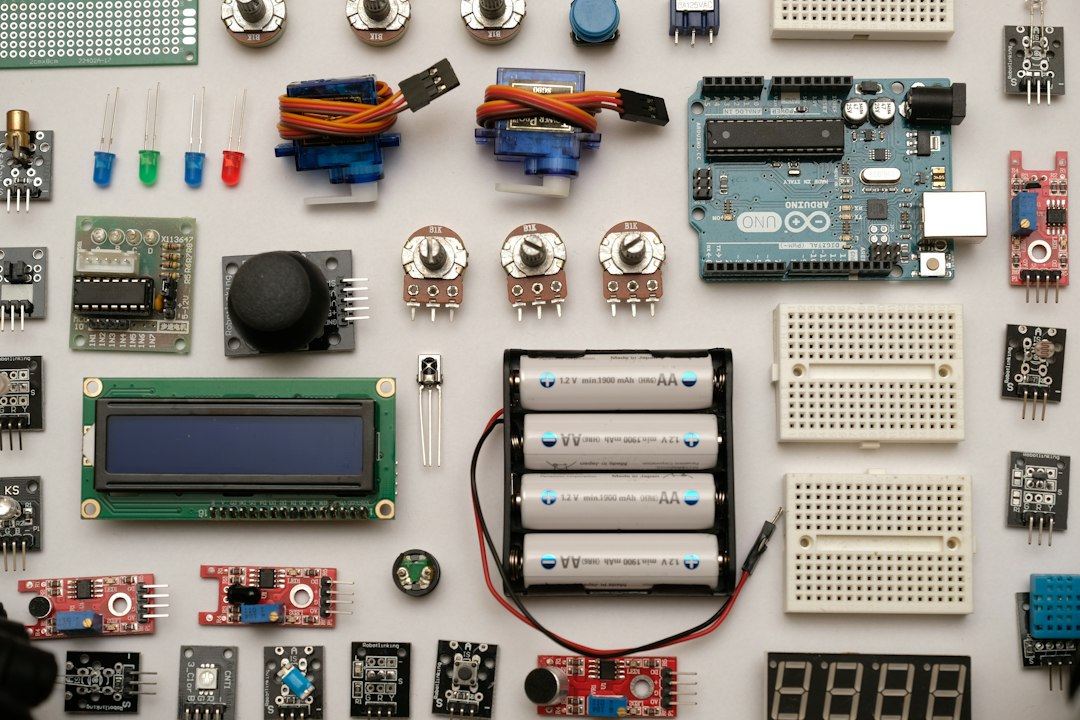
ระบบไฟ LED ที่ APL สร้างขึ้นให้แสงตั้งแต่ย่านอินฟราเรดถึงอัลตราไวโอเลต เพื่อช่วยศึกษาสีและคุณสมบัติของวัสดุผิวพื้น NASA ระบุว่าการส่องแสงยูวีอาจช่วยตรวจหาสารอินทรีย์บางชนิดที่เรืองแสงได้ในช่วงกลางคืนอันยาวนานของไททัน แต่ยังไม่ใช่การยืนยันว่าพบสารดังกล่าว
ขั้นตอนถัดไปและกำหนดการ
เครื่องมือวิทยาศาสตร์ชุดอื่น เช่น เครื่องวัดมวลสารและระบบเก็บตัวอย่าง ยังมีกำหนดส่งมอบและทดสอบในช่วงหลายเดือนข้างหน้า NASA วางกำหนดปล่อย Dragonfly เดือนกรกฎาคม 2028 และถึงไททันช่วงปลายปี 2034 กำหนดการดังกล่าวอาจเปลี่ยนได้
English: NASA Installs Dragonfly’s Seven Science Cameras Ahead of Titan Mission
NASA reported on November 24, 2026, that all seven DragonCam science cameras had been installed, tested and integrated into the Dragonfly rotorcraft under construction at Johns Hopkins Applied Physics Laboratory in Maryland. The Malin Space Science Systems cameras will document Titan’s terrain from the air and ground, help assess landing sites, and provide close-up context for samples collected by the DrACO drill. An APL-built LED array spanning infrared to ultraviolet wavelengths may help scientists study surface materials and potentially fluorescent organics; it is not a claim that such materials have already been detected. Other instruments are due for integration and testing over the coming months. NASA currently schedules launch for July 2028 and arrival at Titan in late 2034. The photos in this story are illustrative and do not show Dragonfly or its actual instruments.
แหล่งข่าวและเครดิตภาพ / Sources and image credits
- NASA Science, “NASA’s Titan-Bound Dragonfly Rotorcraft Gets Its Eyes,” 24 November 2026: https://science.nasa.gov/missions/dragonfly/nasas-titan-bound-dragonfly-rotorcraft-gets-its-eyes/
- Featured photo: Laurel and Michael Evans / Unsplash
- Circuit board: Robin Glauser / Unsplash
- Laboratory equipment: Blaz Erzetic / Unsplash
#NASA #Dragonfly #Titan #DragonCam #ข่าววิทยาศาสตร์