

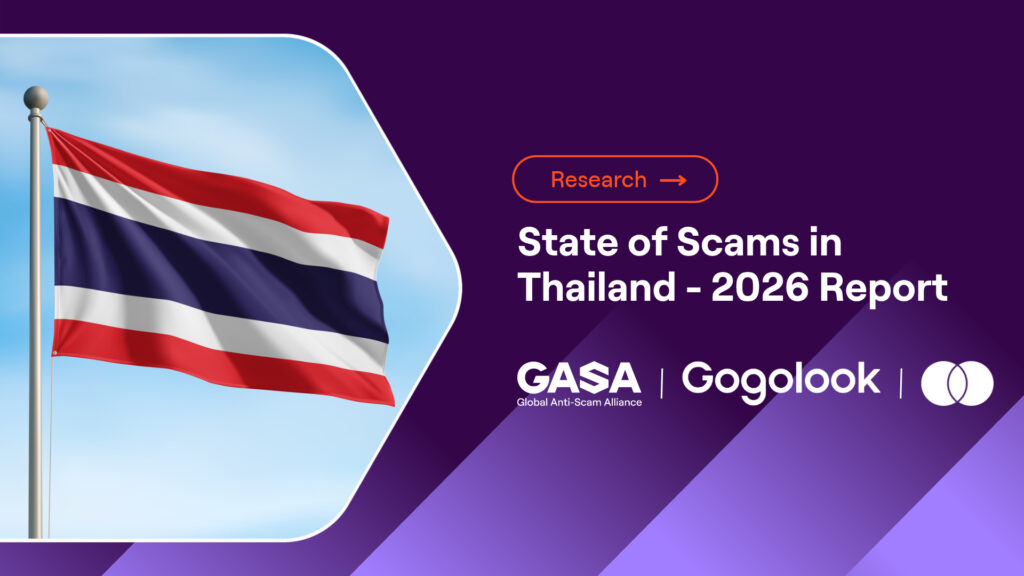
ภาพประจำเรื่อง: ภาพประชาสัมพันธ์รายงาน State of Scams in Thailand 2026 ไม่ใช่ภาพเหตุหลอกลวง — เครดิต / Image credit: Global Anti-Scam Alliance (GASA) · ภาพต้นฉบับที่เผยแพร่ผ่าน VRITIMES / Press image supplied via VRITIMES
กรุงเทพฯ 10 พฤศจิกายน 2569 — การเสียเงินให้มิจฉาชีพอาจไม่จบลงที่เหตุการณ์ครั้งแรก ผลสำรวจ GASA ในรายงาน State of Scams in Thailand 2026 ของ Global Anti-Scam Alliance พบว่า 60% ของผู้เสียหายที่สูญเงินเคยถูกหลอกมากกว่าหนึ่งครั้ง ขณะที่ความสูญเสียจากสแกมในประเทศไทยตลอดช่วง 12 เดือนที่งานศึกษาครอบคลุมถูกประเมินไว้ประมาณ 65,860 ล้านบาท ตัวเลขดังกล่าวเป็นค่าประมาณจากงานสำรวจ ไม่ใช่ยอดความเสียหายที่รวบรวมจากคดีแจ้งความทั้งหมด
พบเจอกลโกงมากขึ้น แต่ต้องแยกจากการเสียเงินจริง
บทสรุปรายงานบนเว็บไซต์ GASA ระบุว่าศึกษาจากผู้ใหญ่ชาวไทย 1,290 คน โดย 79% ของผู้ตอบแบบสำรวจเคยพบเจอกลโกงในรอบปีที่ผ่านมา เทียบกับ 72% ในรายงานปี 2568 การเพิ่มขึ้นนี้จึงสะท้อนการเผชิญความพยายามหลอกลวง ไม่ได้หมายความว่าผู้ตอบแบบสำรวจ 79% สูญเสียเงินทั้งหมด อ่านบทสรุปรายงานประเทศไทยจาก GASA
ข่าวประชาสัมพันธ์ที่ GASA ส่งผ่าน VRITIMES ระบุเพิ่มเติมว่า ผู้เสียหายสูญเงินเฉลี่ยรายละ 11,951.20 บาท และชี้ว่าการช่วยเหลือหลังเกิดเหตุเป็นประเด็นสำคัญควบคู่กับการป้องกัน เพราะผู้ที่เสียเงินไปแล้วจำนวนมากยังกลับมาเจอการหลอกลวงซ้ำอีกครั้ง
ตัวเลขสำคัญจากรายงานประเทศไทย
| ข้อมูล | ผลสำรวจ/ประมาณการ | ฐานที่ใช้ตีความ |
|---|---|---|
| ความเสียหายในช่วง 12 เดือน | ประมาณ 65,860 ล้านบาท | ประมาณการความสูญเสียในประเทศไทยตามรายงาน ไม่ใช่ยอดรวมเฉพาะผู้ตอบแบบสำรวจ |
| การพบเจอกลโกง | 79% เทียบกับ 72% ในปี 2568 | ผู้ตอบแบบสำรวจวัยผู้ใหญ่ ไม่ใช่สัดส่วนผู้เสียเงินทั้งหมด |
| การถูกหลอกมากกว่าหนึ่งครั้ง | 60% หรือ 6 ใน 10 คน | กลุ่มผู้เสียหายที่สูญเงิน |
| แพลตฟอร์มที่ถูกรายงานว่าใช้ติดต่อ | Facebook 54% และ LINE 48% | ช่องทางติดต่อที่ผู้ตอบระบุ ตามข่าวประชาสัมพันธ์ |
| การส่งเงินผ่านธนาคาร/ช่องทางอิเล็กทรอนิกส์ | 49% | วิธีส่งเงินให้มิจฉาชีพที่มีการรายงาน ตามข่าวประชาสัมพันธ์ |
ที่มา: GASA, State of Scams in Thailand 2026 และเอกสารข่าวประชาสัมพันธ์ที่เผยแพร่ผ่าน VRITIMES ตัวเลขแต่ละรายการใช้ฐานต่างกัน จึงไม่ควรนำมารวมกันเป็นจำนวนผู้เสียหาย
ช่องทางคุ้นเคยอาจเป็นจุดเริ่มต้นของการหลอกลวง
Facebook และ LINE เป็นสองแพลตฟอร์มที่ผู้ตอบระบุว่ามิจฉาชีพใช้ติดต่อมากที่สุดตามข่าวประชาสัมพันธ์ โดยมีสัดส่วน 54% และ 48% ตามลำดับ ตัวเลขนี้กล่าวถึงช่องทางที่ผู้ใช้พบการติดต่อ ไม่ใช่ข้อสรุปว่าแพลตฟอร์มเป็นผู้กระทำการหลอกลวง หรือเป็นอัตราของบัญชีทั้งหมดบนบริการเหล่านั้น
ในส่วนการส่งเงิน การโอนผ่านธนาคารหรือช่องทางอิเล็กทรอนิกส์ถูกระบุที่ 49% สูงกว่าค่าเฉลี่ยเอเชีย 36% ที่เอกสารใช้เปรียบเทียบ ส่วนกระเป๋าเงินดิจิทัลอยู่ที่ 29% ข้อมูลดังกล่าวทำให้มาตรการตรวจสอบธุรกรรมที่น่าสงสัยและการประสานงานระหว่างผู้ให้บริการเป็นอีกด้านของการรับมือ นอกเหนือจากการให้ผู้ใช้ระวังข้อความหรือสายโทรศัพท์เพียงอย่างเดียว
ความเสียหายลามถึงความมั่นใจและชีวิตครอบครัว
ผลกระทบไม่ได้วัดได้ด้วยยอดเงินเท่านั้น ข่าวประชาสัมพันธ์ระบุว่า ผู้เสียหาย 35% ยังกังวลว่าจะถูกมิจฉาชีพเลือกเป็นเป้าหมายอีก 32% มีความไว้วางใจต่อแพลตฟอร์มดิจิทัลลดลง และ 26% เผชิญความตึงเครียดในครอบครัวมากขึ้น ข้อค้นพบเหล่านี้สะท้อนว่าการดูแลผู้เสียหายจำเป็นต้องคำนึงถึงการฟื้นความมั่นใจและการเข้าถึงความช่วยเหลือด้วย
เวทีกรุงเทพฯ เชื่อมความร่วมมือผ่าน GASA Thailand Chapter
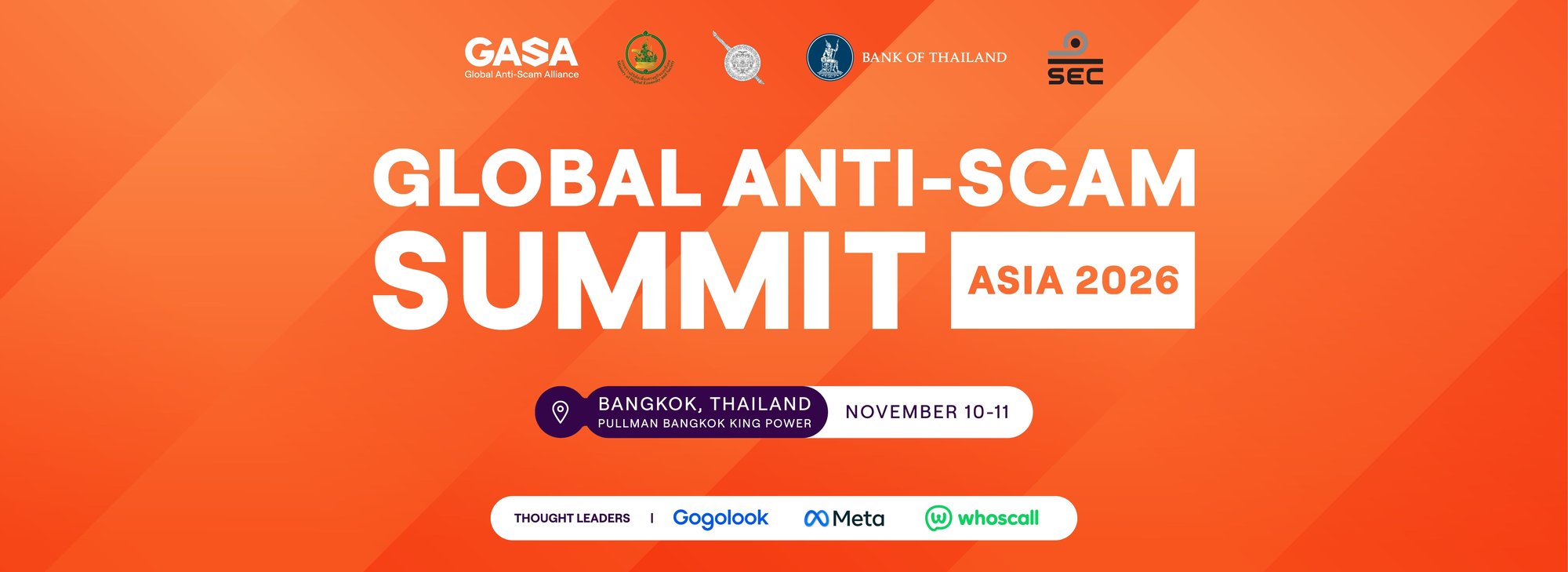
รายงานถูกนำเสนอในบริบทของ Global Anti-Scam Summit Asia 2026 ซึ่งจัดวันที่ 10–11 พฤศจิกายน 2569 ที่พูลแมน คิง เพาเวอร์ กรุงเทพฯ ข่าวประชาสัมพันธ์ระบุว่ามีการประกาศจัดตั้ง GASA Thailand Chapter เพื่อเชื่อมองค์กรในประเทศไทยเข้ากับเครือข่ายของ GASA และสนับสนุนความร่วมมือระหว่างภาครัฐ ภาคการเงิน โทรคมนาคม เทคโนโลยี และภาคประชาสังคม
แนวทางของเครือข่ายไทยครอบคลุมการประสานงานข้ามภาคส่วน การแลกเปลี่ยนข้อมูลเกี่ยวกับกลโกงที่นำไปใช้งานได้ และการสร้างความรู้ให้สาธารณชน เป้าหมายที่ผู้จัดระบุคือช่วยลดโอกาสที่กลโกงจะเข้าถึงผู้บริโภค และทำให้การรับมือหลังเกิดเหตุรวดเร็วขึ้น การประกาศความร่วมมือยังไม่ใช่หลักฐานว่าความเสียหายลดลงแล้ว
อ่านตัวเลขอย่างไรให้ตรงกับขอบเขตงานศึกษา
ข่าวนี้แยกข้อมูลประเทศไทยออกจากรายงานเอเชียซึ่งครอบคลุม 13 ตลาดและผู้ใหญ่ 17,460 คน โดย GASA ระบุว่าการศึกษาในระดับภูมิภาคดำเนินการโดย Opinium ตัวเลขประมาณการจากการสำรวจควรอ่านคู่กับวิธีเลือกกลุ่มตัวอย่าง การถ่วงน้ำหนัก และวิธีคำนวณในรายงาน ไม่ควรเทียบตรงกับยอดร้องเรียน ยอดคดี หรือยอดเงินที่ได้รับคืน ซึ่งเป็นคนละมาตรวัด
GASA estimates Thai scam losses at THB 65.86 billion as 60% of victims report repeat scams
Bangkok, 10 November 2026 — Financial losses from a scam do not necessarily mark the end of a victim’s exposure. The Global Anti-Scam Alliance’s State of Scams in Thailand 2026 finds that 60% of victims who lost money had been scammed more than once. The study estimates Thailand’s losses over the 12-month period it covers at approximately THB 65.86 billion. This is a survey-based estimate, rather than a total compiled from all police complaints.
Exposure is different from financial loss
GASA’s public summary says the Thailand study involved 1,290 adults. Among respondents, 79% encountered a scam during the past year, compared with 72% in the 2025 report. Encountering an attempted scam is not the same as losing money: the 79% figure should not be read as the share of respondents who suffered a financial loss.
The GASA press release supplied through VRITIMES also puts the average loss per victim at THB 11,951.20. Its findings draw attention to the support people need after an initial loss, alongside measures intended to prevent the first incident.
Key Thailand findings
| Measure | Reported figure | How to read it |
|---|---|---|
| Estimated losses over 12 months | THB 65.86 billion | Thailand-wide estimate; not merely the total lost by the survey sample |
| Respondents encountering a scam | 79%, versus 72% in 2025 | Adult survey respondents; not all financially affected victims |
| Repeat victimization | 60% | Victims who lost money |
| Platforms identified for scam contact | Facebook 54%; LINE 48% | Contact channels identified by respondents, as described in the press release |
| Bank/electronic transfers | 49% | Reported methods of sending money to scammers, as described in the press release |
Source: GASA’s Thailand report summary and the press release supplied via VRITIMES. The measures use different bases and should not be added together to produce a victim count.
Familiar communication and payment channels
According to the press release, Facebook and LINE were the platforms most often identified as channels used by scammers to make contact, at 54% and 48% respectively. These are reports about scam contact through the services, not a finding that the platforms perpetrated the scams or a measurement of all accounts on either platform.
Bank or electronic transfers were reported at 49%, compared with the Asian average of 36% cited in the release. Digital wallets were reported at 29%. These findings place transaction safeguards and coordination between service providers alongside consumer awareness as relevant parts of the response.
Harm continues beyond the missing money
The release says 35% of victims remained worried about being targeted again, 32% had less trust in digital platforms, and 26% experienced greater tension within their families. The findings indicate that assistance after a scam also needs to account for confidence, wellbeing and access to support.
A Thailand chapter and a regional response
The findings were presented in connection with the Global Anti-Scam Summit Asia 2026, held on 10–11 November at Pullman Bangkok King Power. The press release also announced GASA Thailand Chapter, intended to connect organizations in Thailand with GASA’s international network and strengthen cooperation across government, financial services, telecommunications, technology and civil society.
The chapter’s stated priorities cover cross-sector coordination, sharing actionable information on scam methods, and public awareness. These are commitments to improve protection and response; their announcement does not establish that losses have already fallen.
Interpreting the research
The Thailand figures are separate from the regional study of 17,460 adults across 13 Asian markets. GASA identifies Opinium as the research firm for the regional study. Survey estimates should be assessed alongside the sampling, weighting and calculation methods in the report. They measure something different from complaint totals, police case records or money recovered.
แหล่งข้อมูล / Sources
- GASA: State of Scams in Thailand 2026 — บทสรุปทางการ / Official summary
- เอกสารข่าวประชาสัมพันธ์ GASA ที่ส่งผ่าน VRITIMES / Supplied GASA press release
- Global Anti-Scam Summit Asia 2026 — เว็บไซต์ผู้จัด / Organizer’s website
- GASA: บริบทงานศึกษา 13 ตลาดเอเชียและวิธีวิจัยระดับภูมิภาค / Regional research context
เครดิตภาพ / Image credits
- ภาพประชาสัมพันธ์รายงาน State of Scams in Thailand 2026 ไม่ใช่ภาพเหตุหลอกลวง — เครดิต / Image credit: Global Anti-Scam Alliance (GASA) · ภาพต้นฉบับที่เผยแพร่ผ่าน VRITIMES / Press image supplied via VRITIMES
- กราฟิกประชาสัมพันธ์ Global Anti-Scam Summit Asia 2026 วันที่ 10–11 พฤศจิกายน 2569 ที่พูลแมน คิง เพาเวอร์ กรุงเทพฯ ไม่ใช่ภาพถ่ายภายในงาน — เครดิต / Image credit: Global Anti-Scam Alliance (GASA) · ภาพและข้อมูลงานต้นทาง / Official event page
#GASA #StateOfScamsThailand2026 #สแกมเมอร์ #มิจฉาชีพออนไลน์ #ภัยออนไลน์ #MiKOThai