

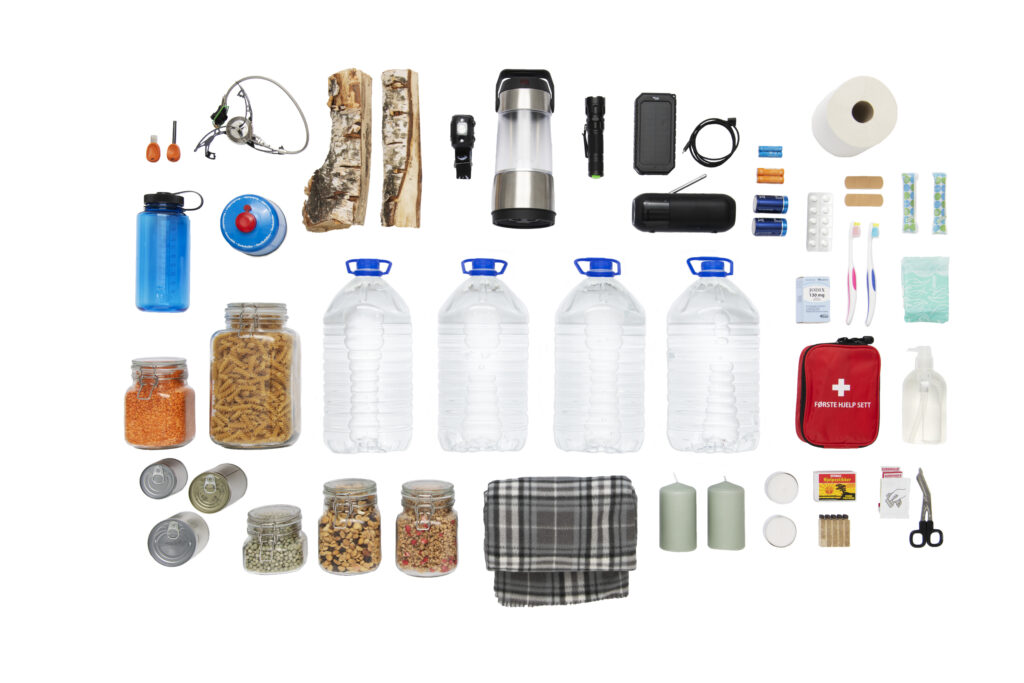
หากไฟดับ น้ำไม่ไหล และร้านค้าเปิดไม่ได้พร้อมกัน อาหารสำรองในบ้านจะช่วยให้ครอบครัวดูแลตัวเองได้นานแค่ไหน? คำถามนี้อยู่เบื้องหลังคำแนะนำเตรียมของจำเป็นที่หลายประเทศกำลังสื่อสารกับประชาชน โดยมีเป้าหมายให้ครัวเรือนรับมือช่วงแรกของเหตุฉุกเฉินได้ ขณะที่เจ้าหน้าที่เร่งช่วยผู้ที่ต้องการความช่วยเหลือมากที่สุด
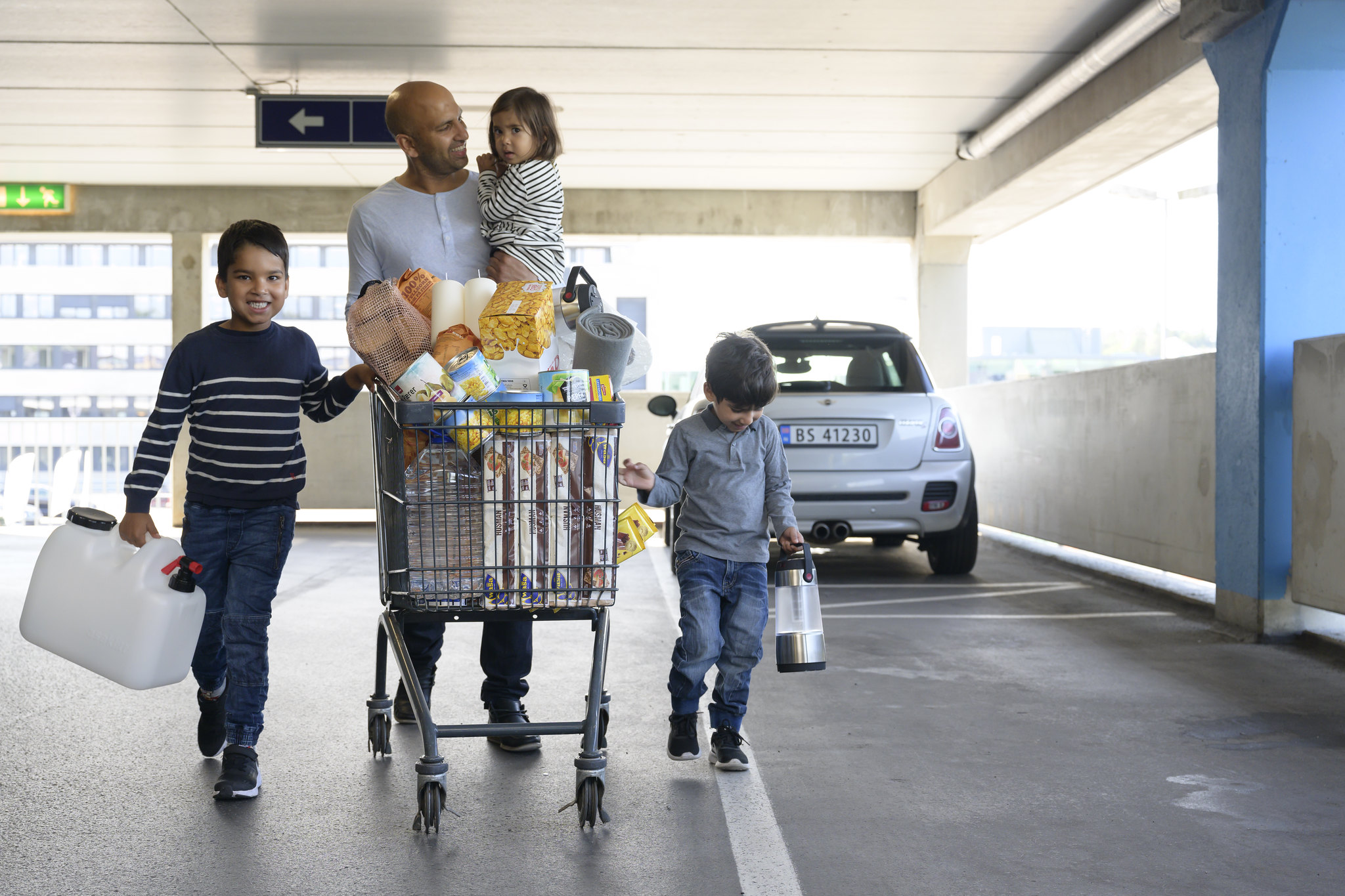
อังกฤษเริ่มแคมเปญใหม่ ส่วนนอร์เวย์เน้นรับมือการสื่อสารล่ม
ความเคลื่อนไหวล่าสุดที่ตรวจสอบได้คือรัฐบาลสหราชอาณาจักรเปิดแคมเปญ Be Ready เมื่อ 22 ตุลาคม 2026 ชวนครัวเรือนเตรียมตัวสำหรับบริการพื้นฐานที่อาจหยุดชะงักชั่วคราว เช่น พายุรุนแรงกระทบไฟฟ้า น้ำ และอินเทอร์เน็ต โดยใช้กรอบดูแลตัวเอง 3 วัน รัฐบาลระบุด้วยว่าคำแนะนำสำหรับครัวเรือนมีมาตั้งแต่เดือนพฤษภาคม 2024 และหลายส่วนยังเป็นแนวทางเดิมที่นำมาสื่อสารใหม่
นอร์เวย์ก็มีกิจกรรมสัปดาห์เตรียมพร้อม Egenberedskapsuka ปี 2026 เริ่มในสัปดาห์ที่ 44 ตั้งแต่ 26 ตุลาคม โดยหัวข้อปีนี้คือการใช้ชีวิตเมื่อเครือข่ายมือถือและอินเทอร์เน็ตทำงานผิดปกติ ขณะที่คำแนะนำด้านอาหารของหน่วยงาน DSB ให้เตรียมเพียงพอสำหรับสมาชิกในบ้าน 1 สัปดาห์อยู่แล้ว จึงต้องแยกกิจกรรมรณรงค์ปีนี้ออกจากคำแนะนำเรื่องอาหารที่ไม่ได้เพิ่งเกิดขึ้น
แต่ละประเทศแนะนำกี่วัน? ต้องอ่านพร้อมวันที่และบริบท
ตัวเลขที่ต่างกันสะท้อนแผนเตรียมพร้อมของแต่ละพื้นที่ ไม่ใช่กำหนดนับถอยหลังว่าจะเกิดภัยในอีก 3 หรือ 7 วัน และคำแนะนำระดับสหภาพยุโรปเป็นยุทธศาสตร์ร่วม ไม่ใช่ประกาศว่าทุกประเทศสมาชิกออกคำสั่งซื้ออาหารพร้อมกัน
| ประเทศหรือกรอบนโยบาย | ระยะเวลาที่แนะนำ | วันที่และบริบท |
|---|---|---|
| สหราชอาณาจักร | 3 วัน | Be Ready เปิดตัว 22 ต.ค. 2026; เน้นบริการพื้นฐานหยุดชะงัก |
| สวีเดน | อย่างน้อย 1 สัปดาห์ | แนวทางเตรียมพร้อมวิกฤตและสงครามที่ใช้อยู่; เอกสาร MSB เดือน พ.ค. 2025 ระบุอาหารอย่างน้อย 1 สัปดาห์ |
| นอร์เวย์ | 1 สัปดาห์ | คำแนะนำอาหารของ DSB ที่ใช้อยู่; รณรงค์ปี 2026 เริ่มสัปดาห์ 26 ต.ค. เน้นมือถือและอินเทอร์เน็ตขัดข้อง |
| ญี่ปุ่น | อย่างน้อย 3 วัน ถ้าเป็นไปได้ประมาณ 1 สัปดาห์ | แผนสัปดาห์ป้องกันภัยปี 2026 มติ 31 ก.ค. ย้ำการสำรองของจำเป็น |
| สหภาพยุโรป (กรอบยุทธศาสตร์) | อย่างน้อย 72 ชั่วโมง | Preparedness Union Strategy เผยแพร่ 26 มี.ค. 2025; EU ไม่ใช่ประเทศเดียว |
เตรียมเผื่อบริการสะดุด ไม่ใช่หลักฐานว่าอาหารกำลังจะหมดทั่วโลก
ความเสี่ยงที่ต้นทางกล่าวถึงมีหลายแบบ ตั้งแต่ภัยอากาศ น้ำท่วม เหตุขัดข้องของระบบสาธารณูปโภค ไปจนถึงภัยไซเบอร์และความมั่นคง ในสวีเดน แนวทางเตรียมพร้อมครอบคลุมทั้งวิกฤตและสงคราม ส่วนญี่ปุ่นวางเรื่องอาหารสำรองไว้กับการลดผลกระทบจากภัยธรรมชาติ จึงไม่ควรย่อทุกประกาศให้เหลือคำอธิบายเดียว
ยุทธศาสตร์ Preparedness Union ของคณะกรรมาธิการยุโรปที่เผยแพร่ 26 มีนาคม 2025 เสนอให้ประชาชนมีของจำเป็นสำหรับอย่างน้อย 72 ชั่วโมง และให้พัฒนาความพร้อมของบริการสำคัญ การเตรียมของที่บ้านจึงเป็นส่วนหนึ่งของระบบรับมือร่วมกับภาครัฐ ไม่ใช่การรับประกันว่าความช่วยเหลือจะมาถึงทุกครัวเรือนตรงเวลาเดียวกัน
อาหารสำรองที่ใช้ได้จริง เริ่มจากของที่บ้านกินอยู่แล้ว
แนวทางญี่ปุ่นของกระทรวงเกษตร ป่าไม้ และประมง หรือ MAFF เสนอวิธีหมุนเวียนอาหารสำรอง: เก็บของที่กินเป็นประจำเพิ่มเล็กน้อย นำรายการเก่ามาใช้ก่อน และเติมคืนเมื่อใช้ไป วิธีนี้ช่วยให้ของสำรองยังอยู่ในวงจรมื้ออาหาร แทนการซื้อชุดใหญ่แล้วปล่อยหมดอายุ
สำหรับผู้อ่านไทย การประยุกต์ให้เข้ากับบ้านตนเองอาจเริ่มจากอาหารเก็บได้นานและพร้อมรับประทาน เช่น ปลากระป๋องหรืออาหารบรรจุภาชนะที่กินได้ทันที ควบคู่กับของแห้งที่ครอบครัวกินจริง หากเลือกข้าวสารหรือเส้นแห้ง ต้องคิดต่อว่ามีน้ำและวิธีปรุงที่ปลอดภัยเมื่อไฟดับหรือไม่ รวมถึงอาหารเฉพาะสำหรับผู้แพ้อาหาร เด็ก และสัตว์เลี้ยง
อย่าลืมน้ำ แสงสว่าง และช่องทางติดต่อ
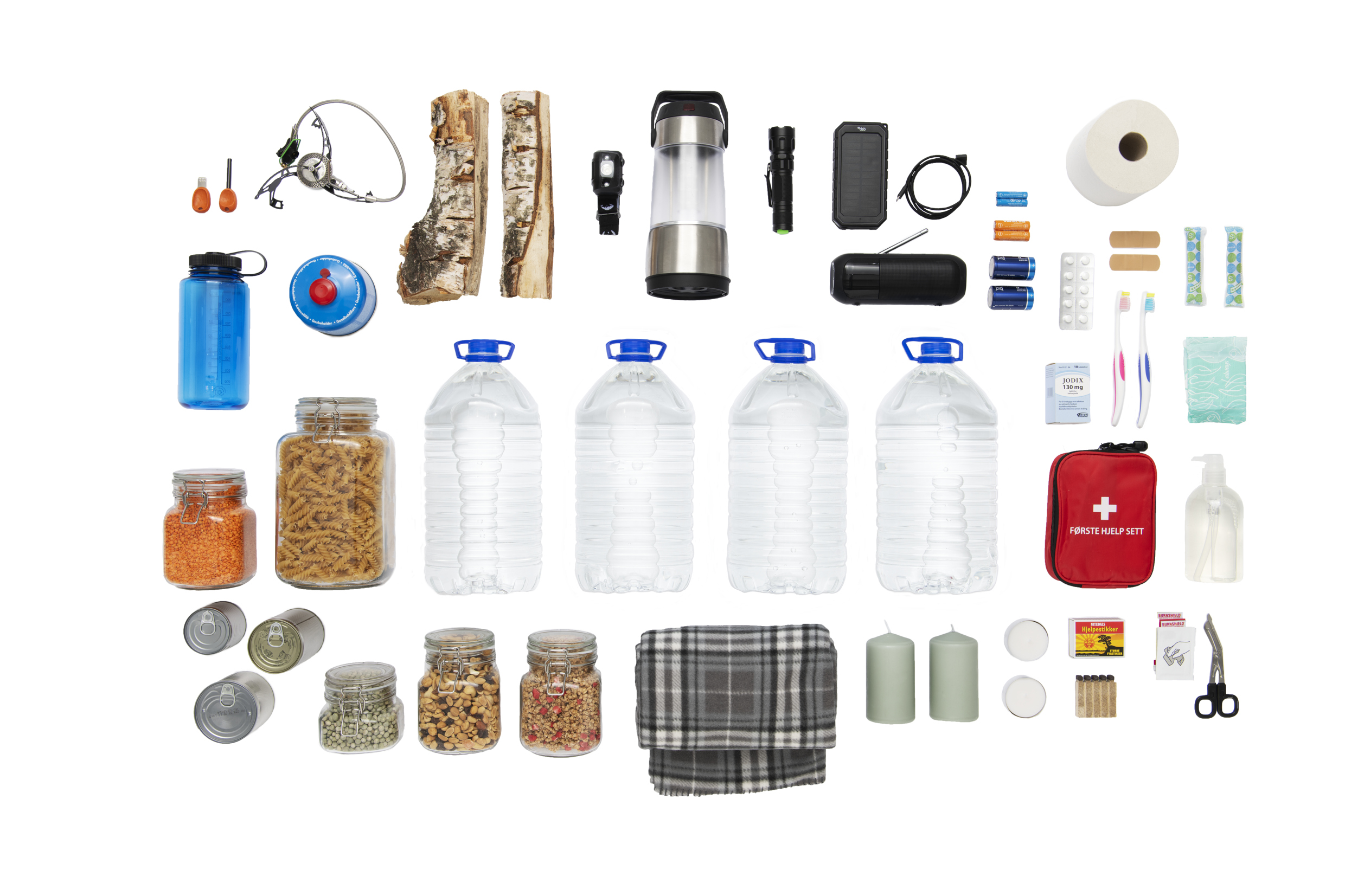
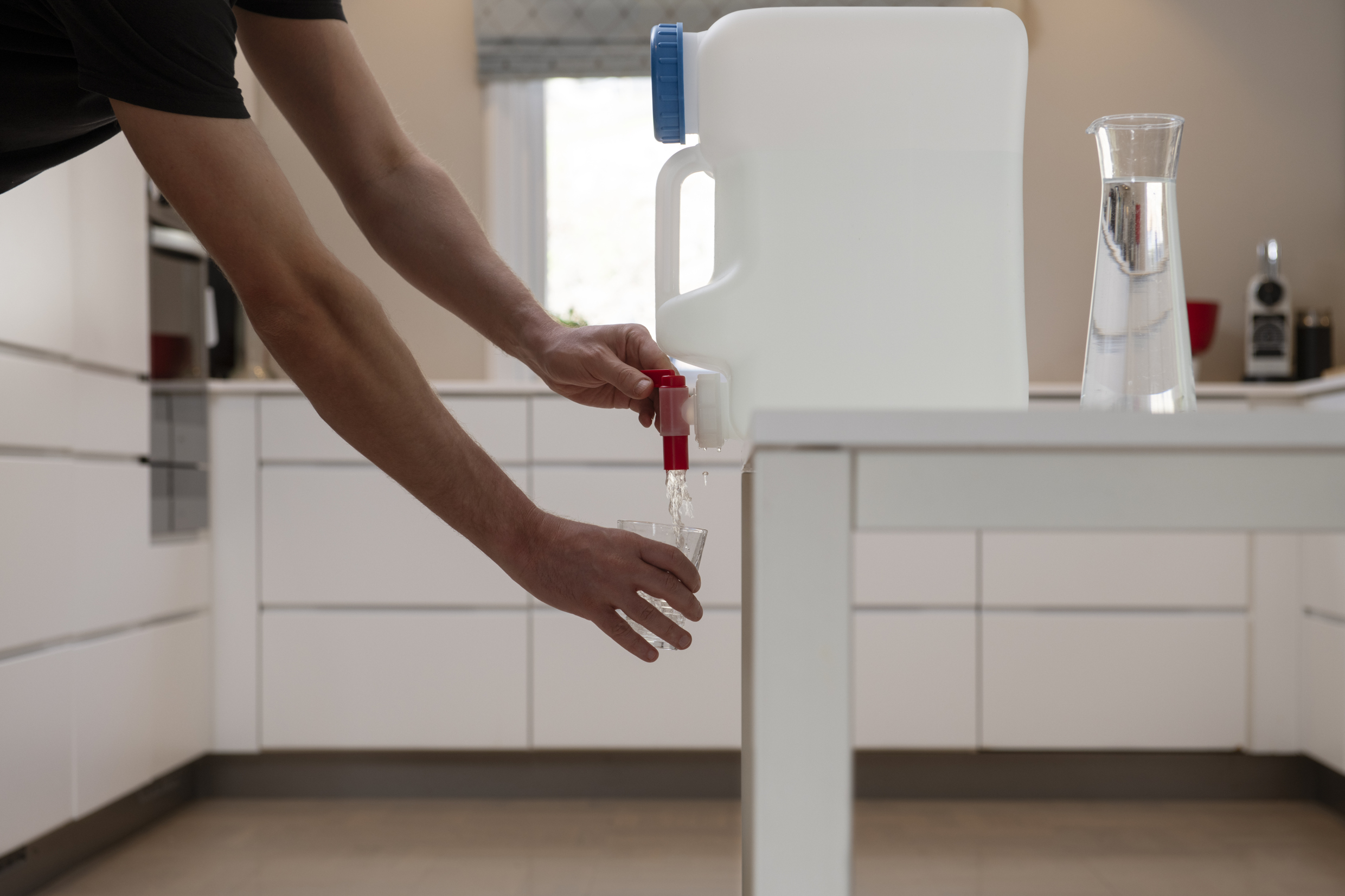
อาหารอย่างเดียวไม่ครอบคลุมการใช้ชีวิตช่วงบริการขัดข้อง ควรทบทวนเรื่องน้ำดื่ม ไฟฉาย แบตเตอรี่สำรอง วิทยุที่ไม่พึ่งไฟบ้าน ของใช้สุขอนามัย และข้อมูลติดต่อที่จดบนกระดาษ พร้อมตรวจของจำเป็นเฉพาะบุคคลกับผู้ดูแลหรือบุคลากรที่เกี่ยวข้อง ไม่จำเป็นต้องซื้ออุปกรณ์ทุกชิ้นตามภาพประชาสัมพันธ์ของต่างประเทศ
ตัวเลขน้ำก็ต้องอ่านเงื่อนไขให้ครบ ตัวอย่างเช่นรายการ Be Ready ของอังกฤษระบุ 3 ลิตรต่อคนต่อวันสำหรับดื่ม และต้องมีเพิ่มสำหรับปรุงอาหารหรือทำความสะอาด ขณะที่ DSB นอร์เวย์ใช้กรอบประมาณ 20 ลิตรต่อคนสำหรับขั้นต่ำ 1 สัปดาห์ ตัวเลขเหล่านี้เป็นคำแนะนำของต้นทางตามบริบทของเขา ไม่ใช่สูตรตายตัวสำหรับทุกบ้านหรือทุกสภาพอากาศ
เตรียมทีละน้อย และรู้ว่าเมื่อไรต้องออกจากบ้าน
จุดร่วมที่นำไปใช้ได้คือสำรวจของที่มีอยู่ก่อน จัดรายการตามจำนวนคนและงบประมาณ ค่อย ๆ เติมระหว่างซื้อของตามปกติ แล้วตรวจวันหมดอายุและความต้องการที่เปลี่ยนไป การสำรองอย่างมีแผนช่วยให้พร้อมขึ้นโดยไม่ต้องเบียดงบจำเป็นของครอบครัว
เมื่อเกิดเหตุจริง ให้ยึดประกาศของหน่วยงานในพื้นที่และคำสั่งอพยพเป็นหลัก อาหารที่เตรียมไว้ไม่ใช่เหตุผลให้อยู่ในจุดอันตราย ข่าวนี้ตรวจต้นทางถึงวันที่ 30 ตุลาคม 2026 และไม่พบหลักฐานจากประกาศที่อ้างว่าเป็นคำสั่งฉุกเฉินร่วมให้ประชาชนทั่วโลกกักตุนพร้อมกัน
Why countries recommend three to seven days of emergency food—and how to prepare without panic buying
If electricity, tap water and access to shops were interrupted together, how long could the food already at home support a household? That is the practical question behind preparedness advice in several countries: families should be able to manage an initial disruption while emergency services prioritise people who need help most.
A new UK campaign, alongside Norway’s communications-outage focus
The UK launched its Be Ready campaign on 22 October 2026, promoting three days of household readiness for temporary disruption to essential services, including outages caused by severe weather. The Cabinet Office notes that household resilience advice has existed since May 2024 and that much of it remains unchanged.
Norway’s 2026 self-preparedness week starts in week 44, from 26 October. This year’s theme concerns mobile and internet services failing to operate normally. DSB’s standing food guidance already recommends enough for everyone at home for one week; the current campaign and the existing food recommendation are separate developments.
How many days? Read the numbers with their dates and context
Different durations reflect different preparedness frameworks. They are not countdowns to an event three or seven days away. The EU framework is a shared strategy, rather than evidence that every member state has simultaneously ordered people to buy food.
| Country or framework | Recommended duration | Date and context |
|---|---|---|
| United Kingdom | 3 days | Be Ready launched 22 October 2026; temporary service disruption |
| Sweden | At least 1 week | Standing crisis/war guidance; a May 2025 MSB checklist specifies at least a week of food |
| Norway | 1 week | Standing DSB food guidance; 2026 campaign week starts 26 October with a communications-outage theme |
| Japan | At least 3 days, preferably about 1 week | 2026 disaster-prevention-week framework, decided 31 July |
| European Union (strategy) | At least 72 hours | Preparedness Union Strategy published 26 March 2025; the EU is not a single country |
Planning for disruption is not proof of an imminent global food shortage
The underlying risks vary: severe weather, floods, utility failures, cyber incidents and security threats all appear in official guidance. Sweden addresses both crises and war, whereas Japan places household stocks within disaster preparedness. These policies should not be reduced to a single explanation.
The European Commission’s Preparedness Union Strategy, published on 26 March 2025, promotes at least 72 hours of essential supplies alongside stronger critical services. Household readiness complements public response; it is not a promise that assistance will reach every home at exactly the same time.
Useful reserves begin with food the household normally eats
Japan’s agriculture ministry, MAFF, recommends a rolling stockpile: keep slightly more familiar food, use older items first and replace what has been consumed. This keeps reserves connected to normal meals instead of leaving a large one-off purchase to expire.
For Thai readers, a practical adaptation is shelf-stable, ready-to-eat food that suits the household, alongside familiar dry goods. Rice and dried noodles also require water and a safe way to prepare them during an outage. Account for allergies and the needs of children and pets.
Water, light and ways to communicate matter too
Food alone does not cover an outage. Review drinking water, a torch, charged power banks, a radio that works without mains power, hygiene supplies and contact information on paper. Discuss individual essentials with carers or relevant professionals. A foreign publicity photograph is not a shopping prescription for every household.
Water figures need context. The UK checklist specifies three litres per person per day for drinking, with more needed for cooking and washing. Norway’s DSB recommends around 20 litres per person as a one-week minimum. These are the issuing authorities’ frameworks, not a universal formula for every household or climate.
Build gradually—and know when to leave
Start by checking what is already available, then plan around household size and budget, add items during normal shopping and review expiry dates and changing needs. Preparedness can grow without displacing essential household spending.
During an actual emergency, follow local authorities and evacuation instructions. Supplies are not a reason to remain in a dangerous place. Sources were checked through 30 October 2026; the cited announcements do not establish a coordinated worldwide emergency order to hoard food.
แหล่งข้อมูลและเครดิต / Sources and image credits
ตรวจต้นทาง 30 ตุลาคม 2569 / Sources checked 30 October 2026. เรียบเรียงใหม่โดย MiKoThai / Independently rewritten by MiKoThai.
- UK Cabinet Office — ประกาศ Be Ready 22 ต.ค. 2026
- Be Ready — รายการของจำเป็นและการเตรียมแบบค่อยเป็นค่อยไป
- European Commission — ยุทธศาสตร์ 26 มี.ค. 2025
- Swedish County Administrative Boards — แนวทางเตรียมครัวเรือน
- MSB — Good Things to Have at Home, May 2025
- DSB — อาหารสำรองสำหรับ 1 สัปดาห์
- DSB — สัปดาห์เตรียมพร้อมปี 2026
- DSB — การสำรองน้ำ
- Cabinet Office Japan — มติแผนสัปดาห์ป้องกันภัย 31 ก.ค. 2026
- MAFF Japan — แนวทางอาหารสำรองและ Rolling Stockpile
- DSB — ข้อมูลภาพสำหรับสื่อ
ภาพทั้งหมดเป็นภาพประชาสัมพันธ์หรือสาธิตจาก DSB ไม่ใช่ภาพสดของการแห่ซื้ออาหาร / All images are official DSB publicity or demonstration images, not photographs of current panic buying.
- DSB — Norwegian Directorate for Civil Protection — หน้าต้นทาง / Source page · ไฟล์ภาพ / Image file
- DSB — Norwegian Directorate for Civil Protection — หน้าต้นทาง / Source page · ไฟล์ภาพ / Image file
- Ivar Kvaal / DSB — หน้าต้นทาง / Source page · ไฟล์ภาพ / Image file
#อาหารสำรอง #เตรียมพร้อมฉุกเฉิน #ภัยพิบัติ #ข่าวต่างประเทศ #MiKoThai








 ✓