
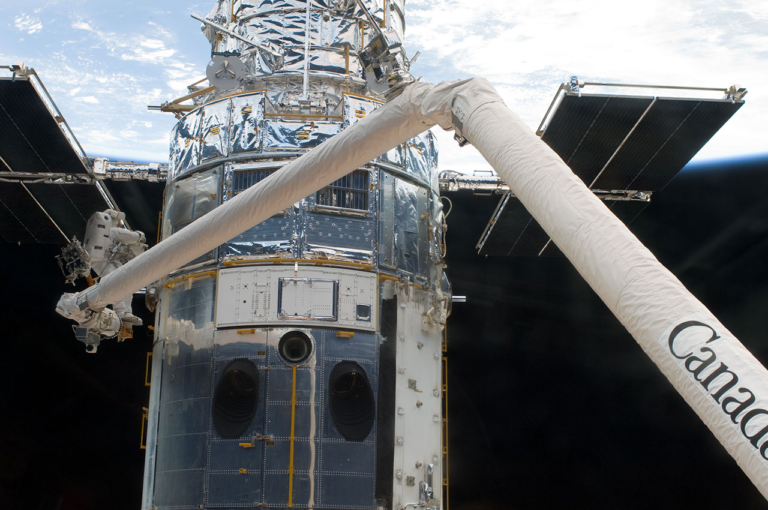
เมื่อวันที่ 12 พฤศจิกายน 2569 ทีมฮับเบิลของ NASA เผยชุดภาพกาแล็กซีที่แสงถูกแรงโน้มถ่วงบิดเบือน บางระบบอยู่ในแผนติดตามด้วยกล้องโทรทรรศน์อวกาศ Nancy Grace Roman เป้าหมายคือทำความเข้าใจว่ามวลกระจายอยู่ตรงไหน รวมถึงมวลจากสสารมืดที่มองไม่เห็นโดยตรง
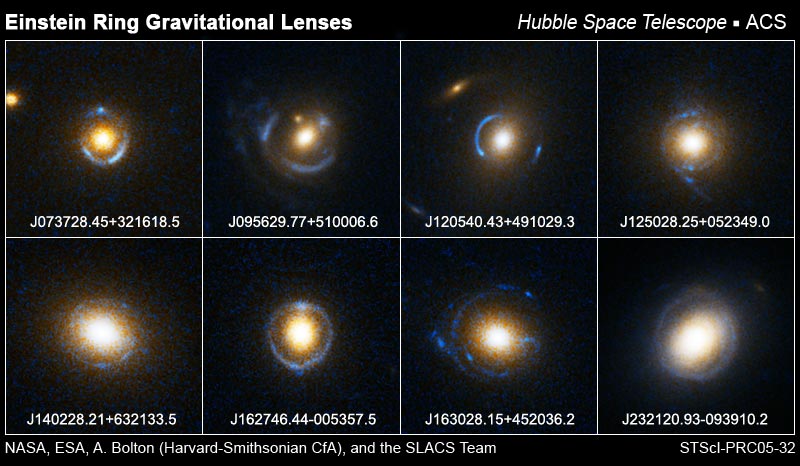
อ่านมวลจากรูปทรงของแสง
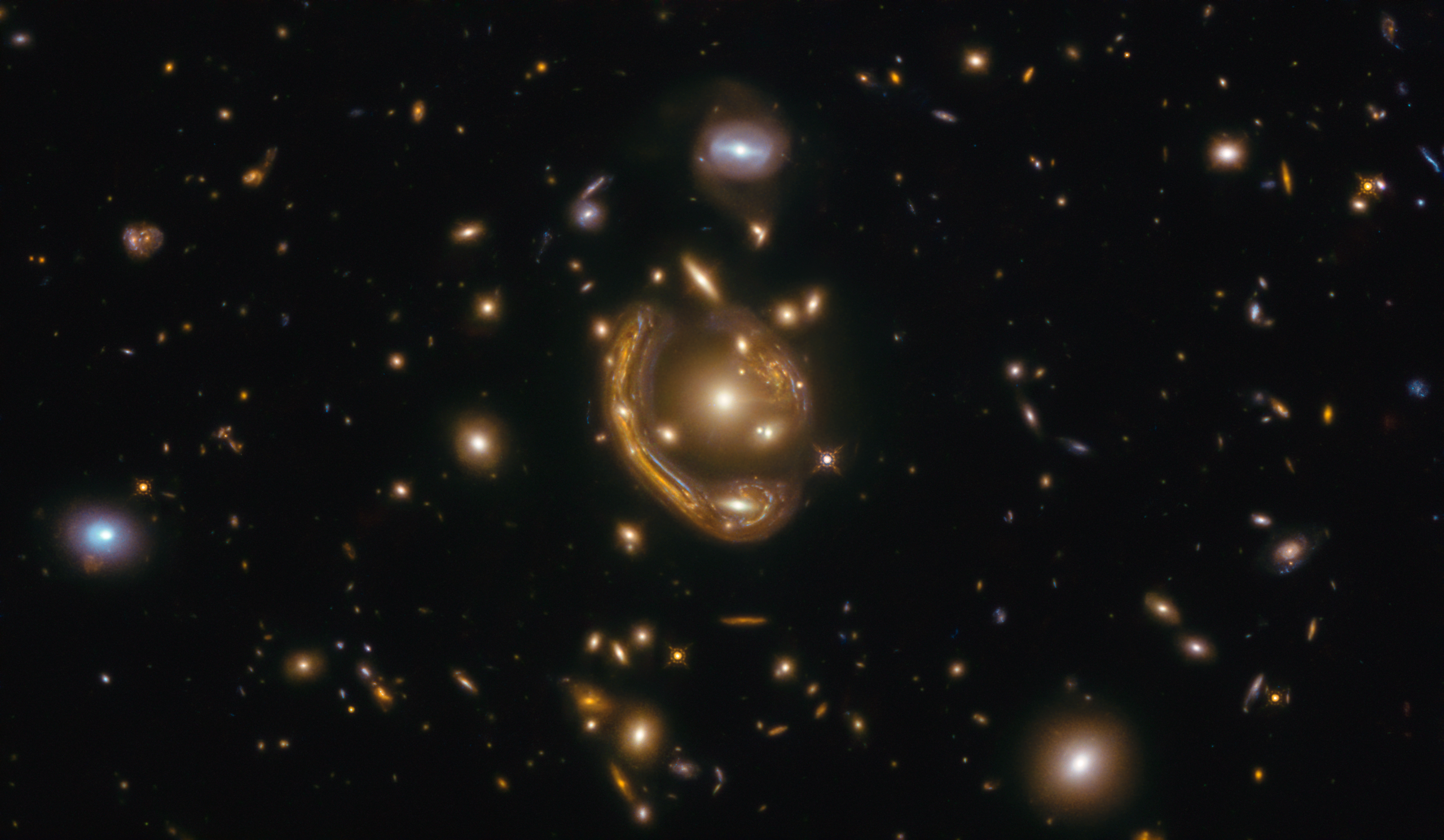
เมื่อกาแล็กซีเบื้องหน้าอยู่ใกล้แนวสายตาที่มองไปยังกาแล็กซีไกลออกไป แรงโน้มถ่วงจะเปลี่ยนเส้นทางของแสง ภาพที่ได้จึงอาจเป็นส่วนโค้ง วงแหวน หรือหลายภาพของกาแล็กซีเดียวกัน นักดาราศาสตร์ใช้รูปทรงเหล่านี้สร้างแบบจำลองมวล และมองหาความบิดเบี้ยวเล็ก ๆ ที่อาจบ่งชี้ถึงกลุ่มสสารมืด ผลดังกล่าวยังต้องอาศัยการวิเคราะห์ ไม่ใช่หลักฐานยืนยันจากภาพเพียงภาพเดียว
ทำไมต้องใช้สองกล้อง
ฮับเบิลเก็บรายละเอียดในแสงที่ตามองเห็นและอัลตราไวโอเลตได้ดี ส่วน Roman มองพื้นที่กว้างกว่าและเน้นอินฟราเรด จึงเหมาะกับการค้นหาระบบจำนวนมาก เมื่อตัวอย่างใดน่าสนใจ นักวิจัยอาจใช้ฮับเบิลกลับไปตรวจเฉพาะจุดเพื่อแยกโครงสร้างที่เห็นได้ยากจากภาพสำรวจมุมกว้าง
Hubble’s Close-Ups Give Roman a Road Map for Studying Dark Matter
On November 12, 2026, NASA’s Hubble team released a collection of galaxies whose light is distorted by gravity. Some are targets for follow-up with the Nancy Grace Roman Space Telescope. The goal is to map how mass is distributed, including dark matter that cannot be seen directly.
When a foreground galaxy lies near our line of sight to a more distant one, its gravity changes the path of the background light. That can produce arcs, rings or several images of one galaxy. Astronomers model those shapes and look for subtle distortions that may point to clumps of dark matter. An individual image alone is not proof.
Hubble can resolve fine detail at visible and ultraviolet wavelengths, while Roman’s wider, primarily infrared view is suited to finding many systems. Particularly interesting lenses could then receive targeted Hubble observations.
แหล่งข่าว: NASA Science · NASA Goddard
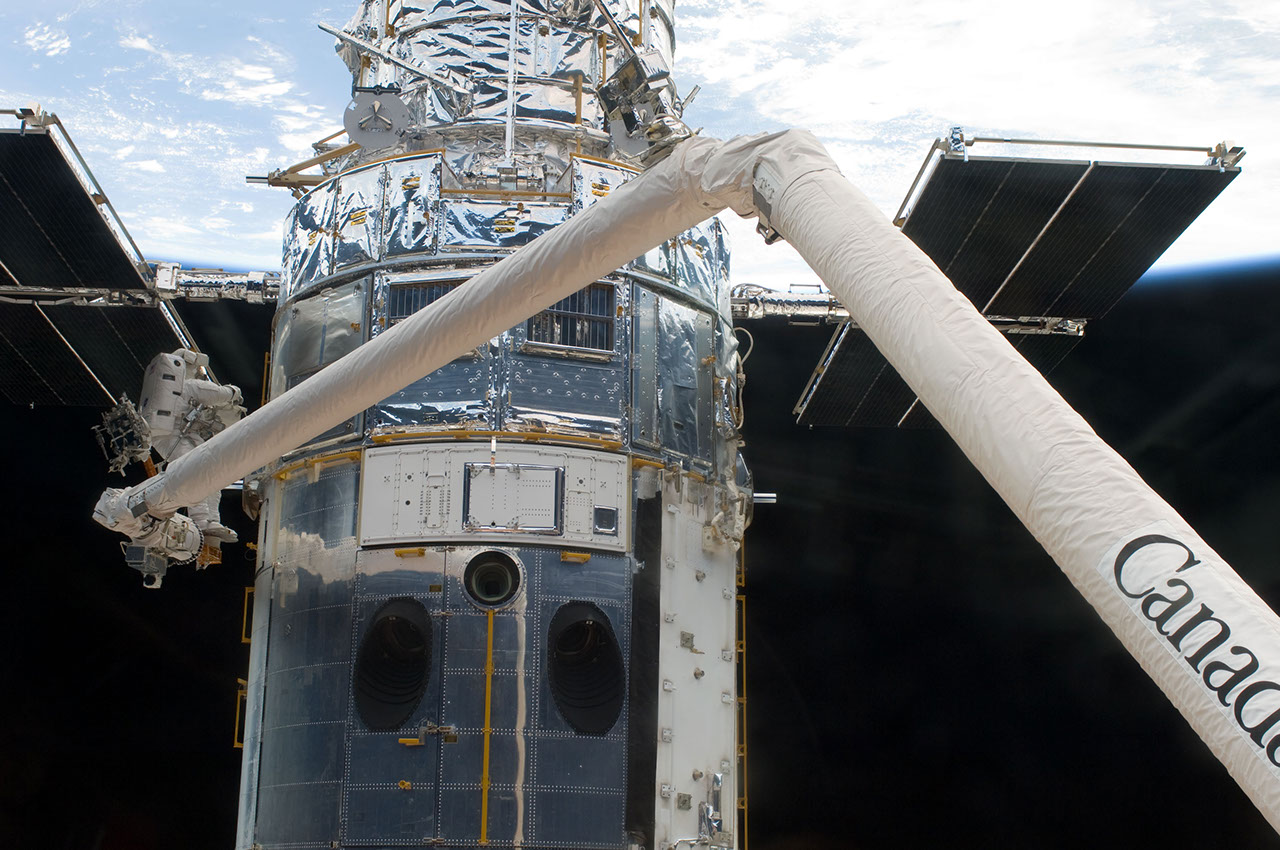
ภาพประจำเรื่อง: การติดตั้งกล้อง Wide Field Camera 3 บนฮับเบิล ปี 2009 — NASA
ภาพแทรก: NASA, ESA, and the SLACS Survey team: A. Bolton (Harvard/ Smithsonian), S. Burles (MIT), L. Koopmans (Kapteyn), T. Treu (UCSB), and L. Moustakas (JPL/Caltech) · ESA/Hubble & NASA, S. Jha; Acknowledgment: L. Shatz | ภาพทั้งหมดเป็นภาพคลัง ไม่ใช่ภาพสังเกตการณ์ใหม่ของ Roman
#Hubble #RomanSpaceTelescope #NASA #สสารมืด